Imole Technologies · Subsea AI software
Intelligence for everything beneath the surface.
AI that reads underwater robot and survey data and flags what needs attention, starting with submarine cables.
Software, not vehicles: it works on data from the robots and sensors operators already run.
01What Imole is
Long-term mission
One billion robots. Intelligence first.
Robots will do more of the work under the sea. They will need software that understands what they see. We are building that first.
Where we start
Cable inspection review.
Inspection surveys produce hours of video and sonar that people review by hand. Imole Intelligence is designed to rank what it finds, show the evidence, and leave the decision to the reviewer.
What we are not
A vehicle company.
We do not build or sell robots. We work on the data from the robots, cameras and sonar operators already use.
02The problem, by depth
Why cable inspection is hard, zone by zone.
One cable can run from a beach to the deep seafloor. Scroll down the route.
- 0–200 m
Shore and shallows
Why it is hard: Anchors and fishing gear, the leading cause of cable faults (ICPC), meet the cable here, and murky water limits cameras.
What Imole changes: Puts every past survey of a stretch side by side so changes stand out.
- 200–1,000 m
Continental slope
Why it is hard: Steep ground and strong currents; surveyed less often.
What Imole changes: Flags where the seabed around the cable has shifted between surveys.
- 1,000–4,000 m
Deep water
Why it is hard: Visits are rare and every day of vessel time is expensive.
What Imole changes: Ranks findings so reviewers start with what matters and each survey goes further.
- 4,000–6,000 m
Abyssal plain, the deep flat seafloor
Why it is hard: Very little data exists, and collecting more is costly.
What Imole changes: Keeps the sparse record in one place, linked to the cable route.
- 6,000–10,935 m
Ocean trenches
Why it is hard: The deepest and least surveyed seabed; down to about 10,935 m.
What Imole changes: Same record, same ranking, wherever the data comes from.
Depth readout illustrative · zones per standard oceanographic convention
03The problem
Cable repairs are slow, costly, and getting slower.
Average repair response time in 2024, up from under 20 days in 2012.
Source 1 · ITU IAB 2026
Typical cost of a single cable repair.
Source 2 · ICPC
Telecom cable faults per year worldwide, 70–80% from accidental human activity such as fishing and anchors.
Source 3 · ICPC, citing industry data
- ITU International Advisory Body for Submarine Cable Resilience, 2026 publication. Delays are attributed mainly to permitting and vessel scarcity. Our note.
- D. Veverka, ICPC chair, article hosted by the International Cable Protection Committee (iscpc.org/documents/?id=201).
- International Cable Protection Committee, iscpc.org home page, accessed 18 Oct 2026: “Industry data indicates that approximately 150–200 submarine telecommunications cable faults occur globally each year, with around 70–80% caused by accidental human activity such as commercial fishing activity and ships’ anchors.” ICPC attributes the figure to industry data and does not name the underlying dataset.
04Imole Intelligence · concept
A review queue that shows its reasoning.
A reviewer opens a survey, sees observations ranked by consequence and confidence, and records a decision on each. Interface concept; all data synthetic.
WORKSPACE
- Review queue
- Route overview
- Survey history
- Reports
FILTERS
- Segment: all
- Priority: medium +
- Status: awaiting review
| ID | Km along route | Observation | Priority | Conf. |
|---|---|---|---|---|
| SYN-014 | km 18.4 | Possible exposure | High | 0.86 |
| SYN-007 | km 22.9 | Object near asset | High | 0.79 |
| SYN-011 | km 41.2 | Seabed change since last survey | Medium | 0.71 |
| SYN-003 | km 57.0 | Unclassified contact | Medium | 0.64 |
| SYN-009 | km 88.6 | Marine growth | Low | 0.58 |
SELECTED
- ID
- SYN-014
- Type
- Possible exposure
- Segment
- Shore approach
- Confidence
- 0.86
- Evidence
- 3 frames · 1 sonar pass
- Status
- Awaiting review
05How it works
From raw survey data to a decision a person can defend.
- CollectTake the files operators already have: video, sonar, survey reports, route maps and asset records.
- AlignPut every file on the same clock and the same map, and record where each one came from.
- ConnectLink each observation to the stretch of cable it belongs to and to earlier surveys of that stretch.
- ClassifySay what was seen, with a stated confidence.
- RankOrder findings by how much they matter to the cable and how sure the software is.
- ReviewA person confirms, dismisses or escalates each finding, and gets a draft report.
06Who it is for
Built for the people who keep cables running.
Cable owners, the teams that maintain cables, and the survey companies that inspect them.
07Founder
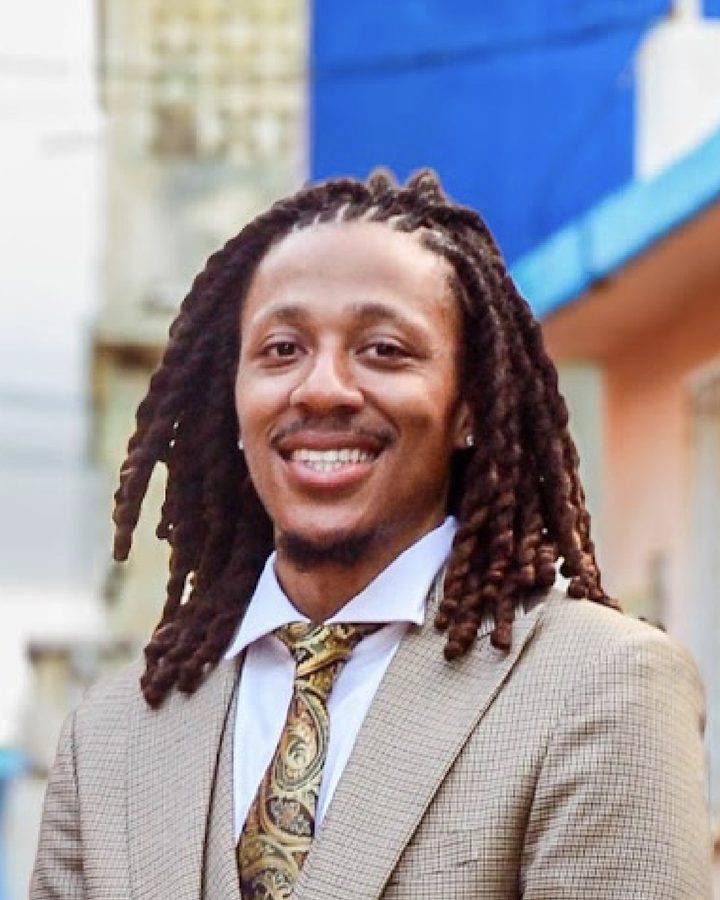
Kendrick Madkins
- Role
- Founder
- Education
- Electrical & Computer Engineering (B.S.), Oregon State University
- Based
- Memphis, TN
Kendrick Madkins has spent about seven years in data center and AI infrastructure, working across GPU systems (H100, H200, B200 and B300), liquid cooling, robotics and RF. He has run enterprise server operations supporting large-scale AI data center facilities in Memphis, with hands-on work in fiber and copper structured cabling and QA/QC. He founded Imole Technologies and leads it from Memphis, Tennessee.
08Next step
Run a pilot with us.
Share a past inspection dataset under agreed terms, and see what Imole Intelligence ranks in it.
Write to Kendrick
Please do not send route files or confidential asset data by email.
Latest note
Submarine cable repair response times have more than doubled